_edited.png)
How to Turn On Booking Feature in Google Business Profile

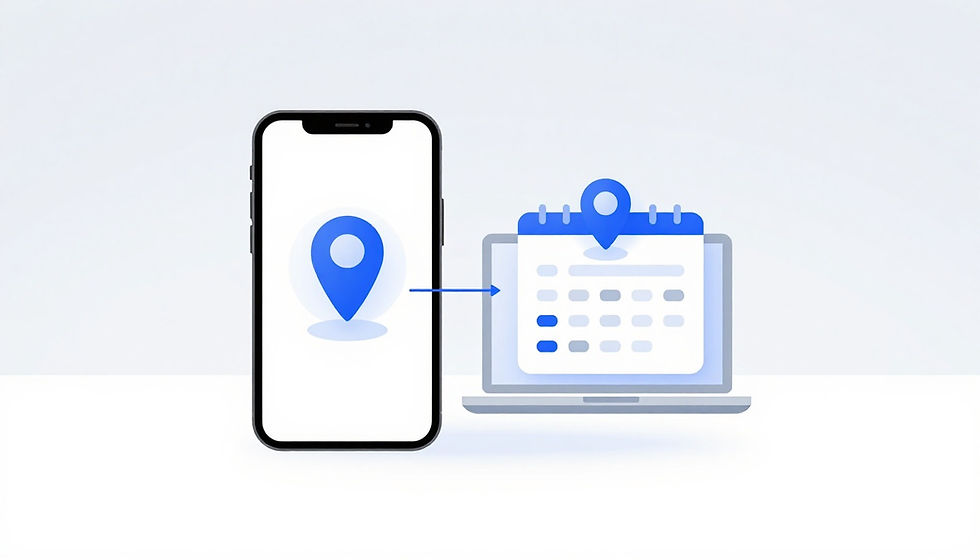
If a customer has to hunt for your phone number, open your website, and then find a scheduler, you have already lost some of them. The Google Business Profile booking feature cuts out those extra steps and puts the action right where your customers want it.
That matters more than most owners think. A visible booking option in Google Search or Google Maps can turn a casual search into an appointment in local search results before the customer gets distracted. Here is how to set up a booking button, connect the right tool, test it, and avoid the mistakes that break the process.
Key Takeaways
Reduce Friction: Adding a booking button to your Google Business Profile removes extra steps for customers, significantly increasing the likelihood of converting search traffic into appointments.
Prioritize Accuracy: Before enabling booking, ensure your business information such as hours, contact details, and service categories is current, consistent, and matches your website to maintain customer trust.
Strategic Integration: Choose a scheduling provider that aligns with your specific operational needs, such as multi-staff calendars or manual approval workflows, to avoid logistical headaches.
Consistent Maintenance: A booking feature is only effective if it remains accurate; regularly audit your links, test the user experience on mobile devices, and sync your availability to prevent double-bookings and broken paths.
What the Google Business Profile booking feature does for your business
Booking inside Google is about one thing, speed. When people can manage their online booking without bouncing between tabs, they schedule faster and abandon their search less often.
Reserve with Google is a strong fit for service-based businesses, including salons, med spas, dentists, therapists, fitness studios, auto services, home-service companies, and any local entity that runs on appointments. If your day depends on a calendar rather than walk-ins alone, the booking feature can do real work for your bottom line.
How customers see the booking option in Search and Maps
When the setup is active, customers may see a button such as "Book Online" or "Book" on your profile. The booking button can appear prominently in Google Search and Google Maps, often where it is hard to miss on mobile devices.
That mobile experience matters. A significant amount of local searching happens when someone is on the go and ready to act. If the booking path is one tap away, your profile feels easier to trust.
Which types of businesses benefit most from online booking
The biggest winners among eligible business types are appointment-based companies with clear services and defined time slots. Think haircuts, consultations, tune-ups, facials, inspections, and follow-up visits.
Service-area businesses can benefit too, as long as the booking process matches how they operate. A locksmith or HVAC company might use the feature for estimate requests or visit windows rather than fixed in-office appointments. Businesses with repeat customers also gain a lot, because convenience often brings people back.
Why booking can help you win more local customers
A booking button is like an unlocked front door. If people can step in fast, more of them will.
It also adds a layer of trust. Customers see a current profile, a working schedule, and a clear next step, which can significantly improve conversion rates for your brand. That makes your business look active and easy to deal with. Google explains the basic setup in its bookings provider help page, and it is worth checking because provider support can vary by business type.
Before you enable booking, make sure your profile is ready
Turning on booking before cleaning up your profile is like putting a new sign on a messy storefront. People may still walk away.
Start with the basics. Your profile should be complete, accurate, and current. That means your main category fits your actual business, your hours are right, your phone number works, and your services are filled out clearly. Messy details create trust problems and can make setup harder than it needs to be.

Check that your business info matches everywhere online
Your name, address, and phone number should match across your website, directories, and social profiles. Maintaining consistent data across all platforms is vital for search visibility, as Google needs to trust that your information is reliable. If Google sees one phone number on your site and another on a citation, confidence drops.
This consistency is just as important when you add an appointment link to your profile. If the contact information in your booking system conflicts with your Google Business Profile, you risk confusing potential clients. That goes for service-area businesses too. If you hide your address in Google, your public details elsewhere still need to line up with how you present the business. Even small conflicts can confuse customers and cause missed calls or wrong expectations.
Choose the right category and service details
Your primary category tells Google what kind of business you are. When you select accurate business categories, you ensure that the booking option fits your services cleanly and that your profile appears in the right searches.
Keep the category honest and simple. Don't stuff extra keywords into your business name, and don't label services in a way that sounds clever but confuses buyers. Plain language wins. If you offer AC repair, don't bury it under vague wording like comfort solutions.
Confirm your hours, service area, and contact details
Hours need to reflect reality. If your profile says you are open when you are not, people may try to book a slot you cannot honor.
Service areas matter too. If you travel to customers, make sure those areas are up to date. Pair that with a working phone number and a fully completed profile. Booking works best when the rest of the listing already feels solid.
How to connect a booking provider to your Google Business Profile
The setup itself is not hard. The real work is choosing a scheduling provider that matches how your business already books appointments.
In general, you sign in to your Google Business Profile, open the Bookings section if it is available, choose a supported provider, and connect your account. Some businesses use direct booking integrations through Reserve with Google. Others connect third-party scheduling software they already use for staff calendars and customer reminders.
Pick a booking platform that fits your workflow
Don't choose software because it looks polished. Choose it because it matches your day-to-day operations.
If you have multiple staff members, make sure the platform can handle separate calendars, service durations, buffers, and time off. If you approve bookings manually, confirm that you can keep up with requests.
Connect the scheduling tool and map it to your services
Once the provider is linked, review every service that appears. The names, durations, and available time slots should match what you actually sell.
This is where small mistakes cause big headaches. If your profile offers a 30-minute consultation but your scheduler is set for 60 minutes, your calendar gets messy fast. If you are using direct appointment links, ensure the booking page URL points to the specific service page rather than just your homepage. If one staff member handles certain services and another doesn't, that needs to be reflected in the tool.
Verify the booking link and test the customer flow
Never assume it works because the button shows up. Click through the full path yourself.
Test it on desktop, then test it again on your phone. Start in Search or Maps, tap the booking option, pick a service, choose a time, and make sure the booking confirmation is clear. If you can't finish the process easily, your customers won't either.
Ways to keep bookings smooth after the feature is live
Setup is the start, not the finish. A booking button only helps if the calendar behind it stays accurate. Learning how to effectively manage bookings is the key to long-term success with Reserve with Google.
Slow replies, stale availability, and missed requests make your profile look unattended. That is bad for customer trust, and it can drag down the overall performance of your local presence.
Respond quickly when customers send booking requests
If your scheduler sends requests instead of instant confirmations, speed matters. Try to respond within 24 to 48 hours, and faster if your service is time-sensitive.
Someone looking for a same-week haircut or urgent repair won't wait long. Assign one person to monitor requests every day so nothing sits untouched over a weekend or holiday.
Keep your calendar and staff availability up to date
Double-booking is one of the fastest ways to turn a good lead into a bad review. Vacation time, sick days, seasonal changes, and holiday hours all need to be reflected in the system.
It is vital to sync with calendar software to ensure your availability is always current. Keep your Google profile updated too. If your real-world hours change, update them there and in your booking platform. The two should tell the same story.
Use booking data to spot what is working
Look for patterns. Which services book most often? What time slots fill first? Where do people stop before finishing?
Your profile's performance data can help, and your booking software usually adds another layer. Just don't expect every metric to line up perfectly with site analytics or call tracking. Different tools count actions in different ways.
Common booking setup mistakes that can cost you appointments
Most booking problems are not dramatic. They are small, boring, and expensive.
A broken appointment link, a bad service label, or outdated hours can stop a customer right before the finish line. That is why regular checks matter.
Broken links and confusing service names
If your appointment link leads to an error page, the lead is gone. If the service names are vague, the customer hesitates and leaves.
A booking path should feel obvious, not like a puzzle.
Use the same service language across your profile, website, and scheduling tool. If your appointment link is not directing users to the correct page, you are losing potential revenue. Keep your terminology plain and consistent across all platforms.
Ignoring mobile users and slow-loading pages
Many bookings start on mobile devices, not a laptop. If your scheduler loads slowly, forces too many steps, or looks awkward on a smaller screen, people drop off, which negatively affects the overall customer experience. Test the full path on cellular data, not only office Wi-Fi.
Not updating the profile when hours or services change
Old hours cause no-shows and frustrated calls. Old services waste time and create false expectations.
The same goes for unreviewed profile edits. Google profiles can change over time through owner edits, system updates, or public suggestions. You should perform regular verification of your listing to ensure that your business information, including your booking options, remains active and correct. If you stop checking the listing, bad information can sit there longer than you think.
Frequently Asked Questions
Can any business add a booking button to their Google Business Profile?
Most service-based businesses, such as salons, gyms, auto repair shops, and professional services, are eligible for this feature. Your eligibility typically depends on whether your scheduling software integrates with Google's supported providers or the Reserve with Google platform.
Does the booking button replace my website's scheduling tool?
It does not replace your website tool, but rather acts as a shortcut to it. By creating an entry point directly on your Google profile, you capture customers who are ready to book immediately without them needing to navigate through your entire website first.
How often should I test the booking flow?
You should perform a full test of the booking process on both desktop and mobile devices at least once a month. This ensures that all links are active, your calendar syncs correctly, and the experience remains seamless for your customers.
What should I do if a customer requests a booking but I am fully booked?
It is crucial to keep your calendar and availability settings updated in real-time to avoid this issue. If a conflict occurs, respond to the customer promptly to apologize and offer alternative time slots, as poor responsiveness can negatively impact your business's reputation and search performance.
Final thoughts
The Google Business Profile booking feature is one of the simplest ways to make your listing more useful and more profitable. By prioritizing a frictionless booking experience, you shorten the path between a search and a confirmed appointment, which minimizes lost leads and drives immediate action from potential customers.
Start by ensuring your profile details are accurate. Once you connect a booking tool that fits your current workflow, focus on providing real-time availability so customers can see open slots instantly. Providing an immediate booking confirmation after they complete their request helps build trust and ensures they feel confident in their purchase.
Open your profile today, update your settings, and embrace online booking to turn your search traffic into consistent revenue. Making it easy for customers to commit while they are ready to say yes is the best way to grow your business.


Comments